Showing posts with label Piaget. Show all posts

Sunday, July 5, 2020

Profile: Anita Porchet


Anita Porchet - Portrait from thenakedwatchmaker.com

What do you think of when the word ‘enamel’ is mentioned? 


I think of shiny smooth white dials, a kiln firing at 800 odd degrees Celsius and... that's about it really. Not much else comes to mind. Nevermind the fact that the art of enamelling is an art form that one may not master even after 20 or even 30 years of experience. There is nothing quite like a clean, crisp, white enamel dial, and Seiko’s use of it is a testament to the elegance in simplicity. But the art of enamelling, that’s a whole ‘nother thing. What? How hard can it be to do a white enamel dial? You've come to the right place. 


Many years ago when I was lucky enough to have visited Manufacture Jaeger-LeCoultre, during a tour of their in-house enamel workshop, founded by Miklos Merczel, we were told that enamelling was a craft in danger of being lost to time – it wasn’t being taught in schools, and apprentices weren’t willing to invest decades into honing the craft. 


Things have changed dramatically since then. Due to the increased demand of enamelled timepieces over the past decade it is again being professionally taught, and new life given to a once dying craft. However, this may be a blessing and a curse. It is no longer as rare as it used to be, and although the price of admission isn’t exactly low, those with the means are able to acquire a piece of miniature art relatively easily. It almost became industrialised insomuch as a craft can be; a product, rather than art. There are views that the Swiss watch industry should keep some things ‘sacred’ and not mass produce everything because of demand. 


Hermes Cape Cod


So what exactly does it take to become a master enameller? Like watchmaking it is a highly skilled craft and takes years, if not decades, to be anywhere near good enough for your craft to be recognised and perhaps commissioned by brands (watch or otherwise) or an in-house artisan. 


Currently, one of the most respected and revered is the independent master enameller, Anita Porchet, although if you ask her, she would not call herself that. In fact, after two decades of producing amazing pieces for the likes of Patek Philippe (who were one of the first to recognise her talent), Vacheron Constantin, Piaget, Hermes, and other prestigious Maisons, she still feels that she has not mastered the art. And therein lies the problem of the industry. 


Piaget The Rose - Featuring Cloisonné technique


As with many crafts, increasing popularity entices more people to study it, with some not hesitating to label themselves “enameller” with mere months of experience. For sure there are some talented artists who may acquire the skills of miniaturising art, but enamel isn’t like painting. It requires time to be familiar with the raw materials, to know when the grain is fine enough, and to time each firing in the kiln to perfection, as a few seconds too long in the kiln can ruin months’ worth of work. Impurities in the glass can cause bubbles or discolouration. There are no shortcuts. 


Working on Piaget - The Rose


Anita Porchet was born in La Chaux-de-Fonds and learnt the basics of enamel work through her godfather, before studying fine arts. It would turn out to be portentous when she won a Patek Philippe prize shortly after graduating. Her significance is as such that in 2015 the Fondation de la Haute Horlogerie presented her with the “Hommage au Talent” prize. It is important to note that as well as her own artistic work and her apprentices, she has also taught, including at the School of Applied Arts (EAA) in La Chaux-de-Fonds.


Various enamel colours


She started out solo in the 1980s, establishing her home studio in the countryside somewhere between Geneva and Lausanne in 1993. She now has three apprentices. During her long career she has experienced the dramatic rise in demand of the craft last two decades; from almost no takers to brands spending millions creating enamel timepieces. Back in the mid-1990s, Patek Philippe requested from Anita Porchet her first enamel dials. Then other Maisons followed. She became more skilled and more proficient, and over the years created an unique signature, as well as mastering a wide range of disciplines:


Champlevé - which consists of cutting away troughs or cells in a metal plate and filling the depressions with enamel. The raised metal lines between the cutout areas form the design outline.


Paillonné (Spangling) - which involves applying microscopic specks of gold leaf to the enamel


Cloisonné - a technique that allows the motif to be outlined with a gold wire finer than a hair’s breadth


Grisaille - a technique by which an image is executed entirely in shades of grey and usually severely modelled to create the illusion of sculpture


Limoges - white painting - using enamel very finely ground with heavy vegetable oils, which gives a very thick white paste. 


Dawn on the lake by Anita Porchet for Patek Philippe's175th anniversary


A Patek Philippe dome clock with cloisonne and paillone enamel


Some of her more challenging work included creating the ceiling of the Opéra Garnier on the Métiers d’Art Chagall & l’Opéra de Paris “Tribute to Famous Composers” for Vacheron Constantin, the reproduction of Judith by Gustav Klimt on a Patek Philippe pocketwatch involved a combination of techniques.  


Opéra Garnier on the Métiers d’Art Chagall & l’Opéra de Paris “Tribute to Famous Composers” for Vacheron Constantin


Porchet has achieved her consistent level of quality only after years of experimentation, and it can take up to a year to finish a complex dial. Each firing in the kiln can last between 30 to 90 seconds. Even if the timing is perfect, it is no guarantee the step WILL be successful. “Cracks on enamel do not all happen for the same reasons,” Porchet explains to Robb Report. “The origin of the cracks can come from the quality of the colour, from the thickness, or from the metal. I try to find a solution for each case, but it’s not always possible.” It is this skill, accumulation of experience over time, that makes Anita Porchet a master enameller, a title which I’m sure she will refuse.


*I mentioned the significance of Patek Philippe to the career of Anita Porchet. One of the first things that those new to Patek (and who are not native French speakers) learn is that the ‘émail’ on some dials does not refer to electronic mail but that it is the French word for enamel. Thus, an enameller is an ‘émailler’. 


Friday, January 30, 2015

Top 7 Thinnest Ultra Thin Mechanical Watches

It looks like ultra thin is still very much in vogue, and given our love of listicles these days, we thought we'd do one based on ultra thin watches. However, we're not going to be lazy like some websites out there and just give you a random selection of so-called ultra thin watches just because they looked thin or might have the terms "ultra" and "thin" in the name of the watch. No. The Tarts readers expect more. Hence the reason why even though we really wanted to do a top 10, we couldn't find 10 watches that fit the below criteria.
So what was our criteria for choosing the ultra thin watches for this list? Well, they all have to be powered by a mechanical movement, be Swiss or German made, and are simple, time only watches with the only complication being that it's thin. How thin is thin, you ask? we needed to draw the line somewhere, so we chose 6mm as a limit for the thickness of the watch case. Granted, had we raised it to 7mm, we might have found 10 watches for a proper top 10 list, but then that's just being too all-inclusive isn't it?? and 7mm?? That's not ultra thin.


Here we go, starting from the *ahem* thickest:

A. Lange & Söhne Saxonia Thin - 5.9mm

The "thickest" watch on this list is also the only watch from Germany.


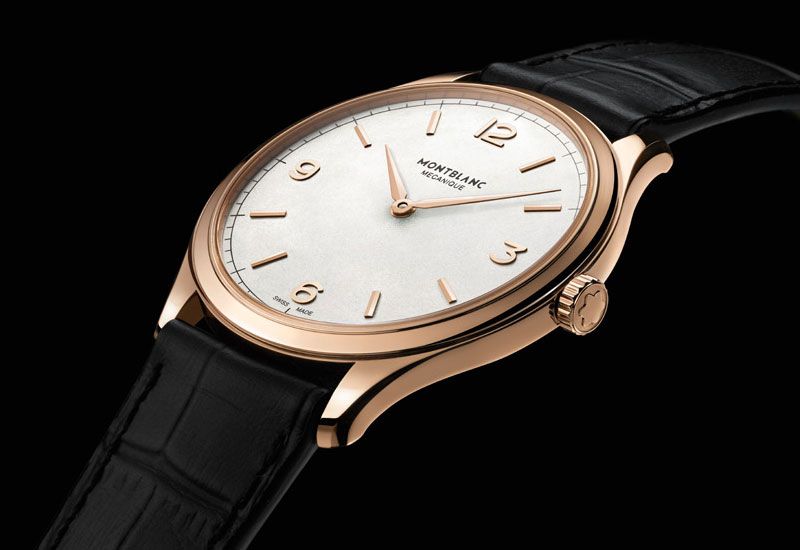
Montblanc Heritage Chronométrie Ultra Slim - 5.8mm

The only watch on the list that uses an outsourced, albeit very reliable movement, and the only piece with a pricing in the four figures. Low four figures, mind you... (the steel version that is. below image is obviously of the gold variety...)


Breguet Classique ultra thin - 5.4mm

Probably the most classical looking watch of the bunch. Featuring prominent Breguet design cues such as the hands and the guilloche dial


Bvlgari Octo Finissimo - 5.0mm

The only watch on this list featuring a running seconds hand. YOu gotta give them that. It takes up additional height to have an extra subdial with an additional hand. This is also the only watch that features a complex case (ie, not round).


Vacheron Constantin Historique 1955 - 4.1mm

It wasn't that long ago this Vacheron held the title for the thinnest mechanical watch in the world. How quickly times change and records tumble!


Jaeger-LeCoultre Master Ultra Thin 1907 - 4.05mm

To show how quickly things change, JLC barely held the title for the thinnest mechanical watch (less than a year).


Piaget Altiplano 900P 3.65mm

Still the thinnest at the moment. I know I wondered whether it was possible to get any thinner. I didn't think it was. However, sources close to the watch industry suggests this record may be broken sooner than we think...


Thursday, January 22, 2015

SIHH 2015: A Tale Of 2 Ultra Thin Chronos

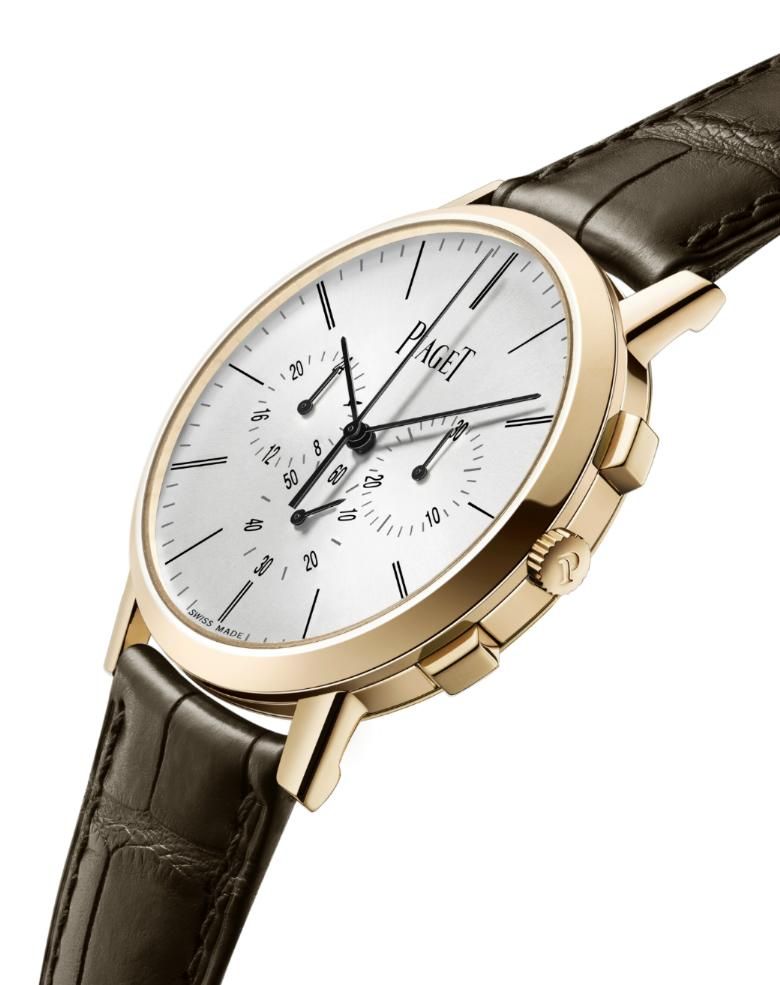
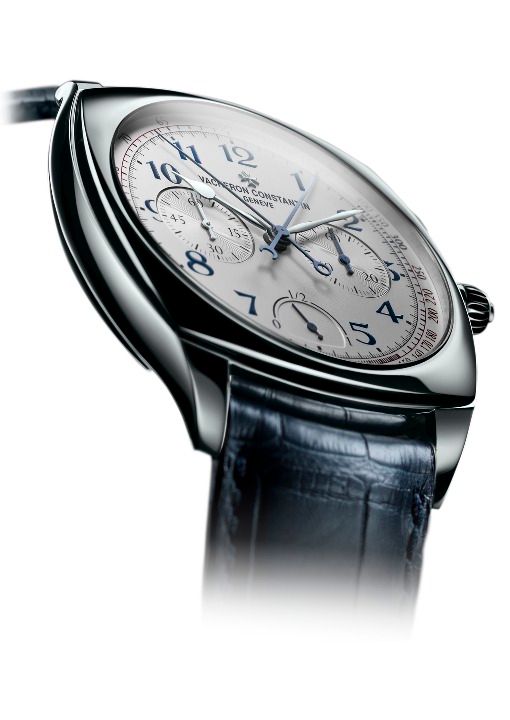
So it looks like thin is still very much in vogue this year, with 2 companies both coming out with a thinnest of sorts. Piaget with their thinnest hand-wound flyback chronograph and Vacheron with the thinnest automatic split-second chronograph.

Here are the specs before we move on:

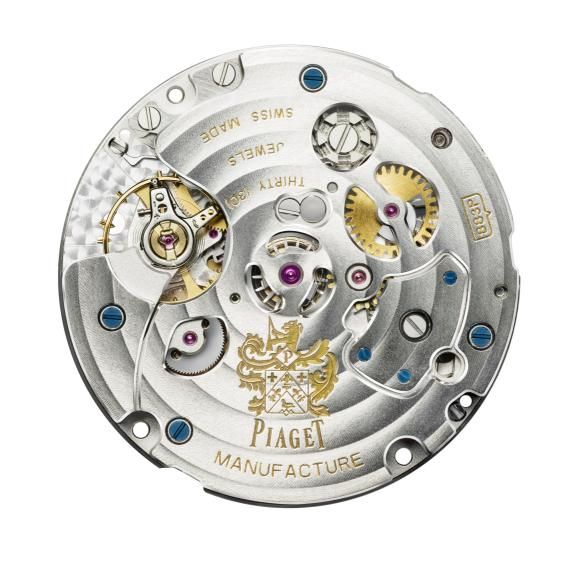
Piaget Calibre 883P:

Movement Height: 4.65mm
Watch Height: 8.24mm
Manually wound, 50 Hour power reserve


Vacheron Calibre 3500:

Movement Height: 5.20mm
Watch Height: 8.40mm
Automatic (peripheral oscillating weight), 51 Hour power reserve


That's pretty close, not much in it, although I think Vacheron managed to cram more into a similar watch height. (extra hand and automatic winding)

Hey no matter which way you cut it, it's damn thin. this is about half the height of your average Valjoux 7750 powered chronograph. Actually most 3 handed watch on the market are thicker than this pair. If you think about it, that's pretty impressive engineering and craftsmanship.

Tuesday, November 25, 2014

Top 10 Best Swiss/German Square Watches

Top 10 Swiss/German Square watches and other honourable mentions.


When is a square not a square? When lazy hacks who couldn't even be bothered doing a google image search and decides that tonneau shape, rectangle and cushion are close enough. Try explaining that one to your kindergarten teacher and see where that gets you. You're NOT going to fit a rectangular peg into a square hole no matter how hard you push. So here we go. We at the Tarts spend a little more time on google, and find you the top 10 best square watches that are ALSO powered by a mechanical movement, and are either Swiss/German made. (Yes again I know the Japanese make some really nice square mechanical/quartz watches too but you know, that would be a very broad range and simply make this list a little too easy and a little too meaningless.)

Plus, as an added bonus, we are covering a broad range of price points and styles (and yet still remaining perfectly square) so there is a watch for every budget/style. In fact, we are feeling so generous that we are giving you a list of 15 (more like 20 but we'll get to that) because some watches may be a little difficult to come by and others maybe no longer be available brand new from an authorised retailer. Plus some we included cuz we like 'em. Here we go. In no particular order, it's hip to be square!! (Yes we know it's an overused cliche phrase…)


Cartier Santos Dumont 35mm


Santos Dumont, an aviator, was a good friend of Louis Cartier and in 1904, Santos Dumont was presented with what seems to be the 'first' wristwatch made especially for men, as it was quite difficult to keep track of time using a pocket watch when both hands are needed to fly a plane. Say what you will about Cartier being a "jeweller" but they have a long history in wristwatches. The Cartier Santos Dumont is one of my favourites powered by a Piaget manual wind movement. Thin, elegant, unpretentious and unmistakably Cartier.

Bell and Ross BR01-92 46mm


Also inspired by aviation (flight deck instrument, in this case) this is quite possibly the antithesis of the Santos Dumont (in terms of square aviation themed watches). Loud, big and in your face, it literally feels like you've strapped on the actual instrument to your wrist. And that's what I love about it. The basic BR01-92 is the pick. Clean and highly legible, it wears really well (believe it or not) due to the relative thinness of the watch.


Franck Muller Master Square 36.5mm


If you must have a Franck Muller and you don't want to be seen as a tonneau-shaped sheep, this is the watch for you. The watch features the classic Franck Muller arabic numerals (or if you prefer a Cartier on steroids look, it also comes with Roman numerals). The whole case is actually curved in profile to hug your wrist, meaning again, the watch is very comfortable and wears extremely well.

TAG Heuer Monaco 38mm


Originally introduced by Heuer in 1969 in honour of the Monaco Grand Prix, it was made famous by Steve McQueen when he wore it for the film Le Mans in 1971. So famous in fact TAG Heuer is still using Steve in advertisement - I mean, wouldn't you? Steve McQueen is, like, the epitome of cool. And if a cool guy like Steve wears the Monaco, that means I'll be able to bask in the reflected glory when I wear the same watch. All jokes aside, it is a classic and the watch has not changed since it first appeared (not many watches can claim that).

Nomos Tetra 30mm


At 30mm this is getting close to a midsize. Yes, square watches do wear bigger, but this is more for those who appreciates a time when wristwatches weren't so bold. Even so, the Tetra is very modern in its simplicity. Bauhaus style with a dial that's uncluttered, powered by an inhouse movement, you could do so much worse than this. And by wearing this watch you're quietly confident and you obviously do not need to over compensate for anything. It's also the only watch on this list that is made in Germany. Read into this anyway you like.

These next two seems to have been inspired by the same watch and the same year! However they vary quite differently in price point and execution.

Vacheron Constantin Historiques 1968 35mm
Longines Heritage 1968 33mm


The Vacheron is an ultra thin automatic watch powered by the thinnest full rotor automatic movements. The VC Calibre 1120 was designed by Jaeger-LeCoultre for use exclusively by Vacheron, Audemars Piguet and Patek Philippe. The movement is a mere 2.45mm thin, therefore the whole case can also be made extremely thin (at a svelte 5.4mm). The Longines on the other hand has no such luxury when it comes to thin movements. That's not to say it doesn't have a relatively thin movement to borrow from sister company ETA. The 2892-A2 is one of the thinnest automatic movements around, plus you get a date function! Other than that it's a touch smaller compared to the Vacheron. Both are elegant and resolutely square and you can't go wrong with either if you happen to be born in 1968, or if 1968 happens to be a significant year for you.


Omega Deville X2 35mm discontinued


This is a strange one and one that didn't do too well when it was available new. For some reason I like it and one of the reasons why most people hate it is the reason I like it - the mixed use of Roman and Arabic numerals. Case is based on a historical Omega and there were a few different variations of dials/complications that can be had with this model. It is an through-and-through Omega so the quality is there. And because of its unpopularity you could pick up one on the cheap somewhere...

Louis Erard La Carree Chrono 39mm


Louis Erard is known for their extremely good value for money, given they're Swiss made, and runs reliable workhorse movements. I could not believe my eyes that the chrono here can be had for around 600 Euro! A well made, Swiss automatic chronograph (Valjoux 7750 from the looks of it) for this sort of price is a bargain! Now I have a feeling that this one might also be discontinued but it's easy enough to find online. Hmmm I think I may have just sold myself on this...


Hamilton Jazz Master Square Chrono 40mm (38.5mm for time only)


This one seems like it's also discontinued, but I'm sure these models can still be found if one uses Google. Hamilton, like Louis Erard makes extremely great value watches. One advantage that Hamilton has over Louis Erard is that it's part of the enormous Swatch Group, meaning they have access to movements galore and much better economies of scale, hence their extremely competitive price point for the watches you get. I'm a big fan of some of the models out of the Jazz Master range and I didn't realise they had a square version till I was googling for watches for this post.

Because I'm feeling generous here are five more square watches. (I realise that some of the watch on this list are discontinued, meaning for those who prefer the security of buying new from authorised retailers will have less choices overall.)

Piaget Altiplano Square 33mm


This piece is discontinued, but again, thanks to the internet, I'm sure one can be tracked down without too much hassle. Like most ultra thin Piaget watches, this one is elegant, classy and dressy, and has a certain je ne sais quoi about it. Piaget makes beautiful watches and as they are proper watchmakers, with gorgeous inhouse movements to boot. If you ever need a watch for a black tie event, but something that won't clash with others at the shindig, this would be it. I did mention that it was thin right? At 4.5mm, this is one of the thinnest mechanical watches around.


Hermes Carre H 36.5mm


Don't listen to anyone who tells you Hermes are only good for bags. They have a long history in watchmaking, although they may not have had invested much in their watch division at times. This piece is a limited edition, and completely sold out. This piece was designed by French architect Marc Berthier, and limited to just 173 pieces. The watch is powered by the Girard-Perregaux caliber GP3200 movement. I'm sure if you do manage to find one, you'll have to pay above the retail price of around US$15k


The Ralph Lauren Slim Classique 27.5mm


I'm going to quote a sales blurb: "The Ralph Lauren Slim Classique collection represents modern watchmaking with classical, slender proportions that recall a bygone era." Right. at 27.5mm, I'm going to call this a lady's watch. As much as I like my Ralph Lauren, I really cannot see the value in the watches though, Yes I know they're well made and this one probably runs a Piaget movement, but...


Fortis Square Automatic Day-Date/Chronograph 39mm


I'm kicking myself for not buying this when I had the chance. (yes, had the chance but not the money!) It's a chunky watch, but it's anything but imposing. It looks great, has substance and it's not expensive. I prefer the day-date version over the chronograph because of the cleaner dial and I think the styling worked better in the Louis Erard compared to the Fortis, given it's the same movement. at 39mm, it's a good, solid size.


Ventura V-Matic Ego Square 37mm


Here's one from the recent past. I've always appreciated Ventura's styling. Very digital sci-fi and spacey, but running very traditional mechanical movements. The V-Matic Ego Squre is from the early 2000s, and in time it'll probably look quite retro-futuristic.

So all up you have almost 20 properly square watches (due to the time only/chronograph variations in the same style case, or different dial layouts). They do wear quite differently to round, cushion shaped or even rectangular watches, so like always, try it on first if you can!


Oh... and if you have kids who are into Thomas the Tank Engine....


Tuesday, April 15, 2014

The Quest for Thinness Part 3: The Whirlwind Timekeeper

As promised here is part three of "The Quest For Thinness". However, during the course of deciding to write about these and actually writing and researching, things have changed so dramatically that I've had to rethink the players to feature for this third part, where the focus is on tourbillons. Bulgari decided to simply drop this amazingly thin piece of haute horlogerie into our midst during Baselworld 2014 I believe a vast majority of the watch industry dropped their collective jaws. (Better jaws than watches right?) It was almost a repeat of what Piaget did a mere 3 months before. Bulgari's tourbillon is so thin that it's very difficult to imagine anyone beating its thinnest anytime soon. How so?


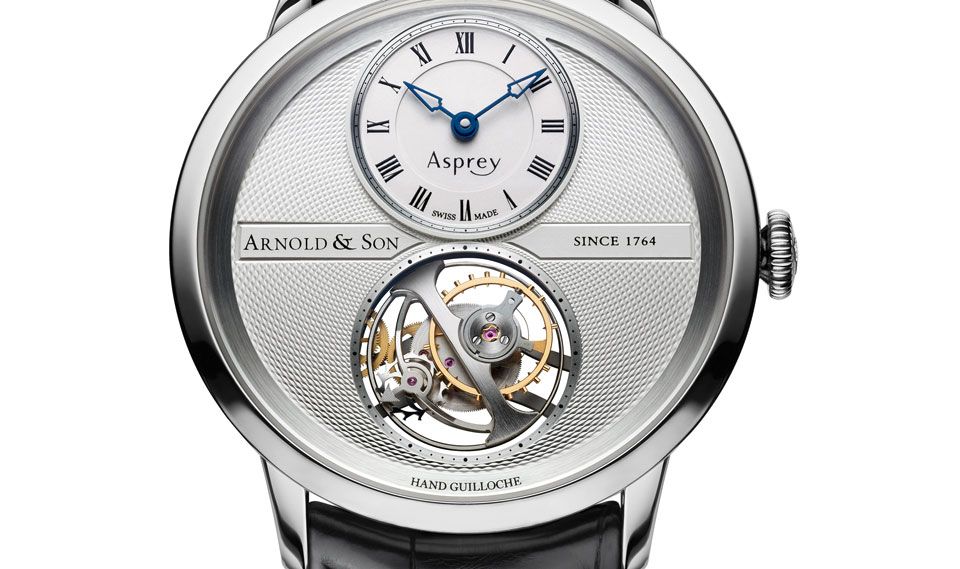
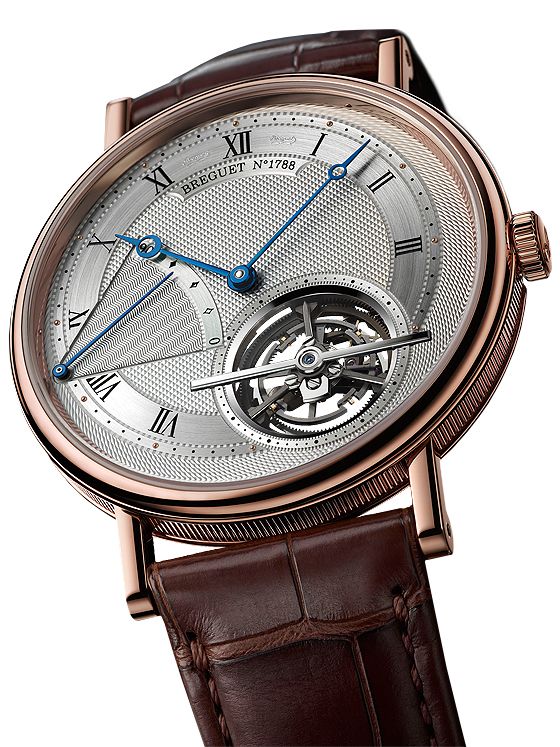
Up until this bombshell, the thinnest tourbillon watches that were considered for this post were from Breguet, Arnold & Son and Piaget, the master of ultra thin. Given the unavoidable thickness due to the size of the tourbillon cage, these watches were already getting pretty darn thin. I mean, at a total watch height of around 8mm for the Arnold & Son and around 7mm for the Breguet, these are almost cardboard territory. And the movements? At around 3mm each, that's approaching paper thin. Then Bulgari went and sliced that down further to a mere 1.95mm for the movement and at just 5mm for the overall watch.

Call me gobsmacked.

Arnold & Son Tourbillon


Breguet Tourbillon

I still shake my head when i think just how thin that Bulgari is. And it came so unexpectedly from an brand not usually known for their watchmaking flair. Yes they did buy in a lot of the expertise but it takes real geniuses to develop and produce something like this. Case designers, movement engineers, watchmakers, a lot of people need to work together to make something this work cohesively. As mentioned before, it's easy to make a big watch, but it takes real skills and know-how to fit so much into so little space.

So Bulgari sliced a good 2mm off the total watch height from Breguet's tourbillon. Is this about as thin as it gets?


Why don't we hypothetically design the thinnest movement? Let's use 3 brands as examples, given they're already leaders and pioneers and masters in this field.

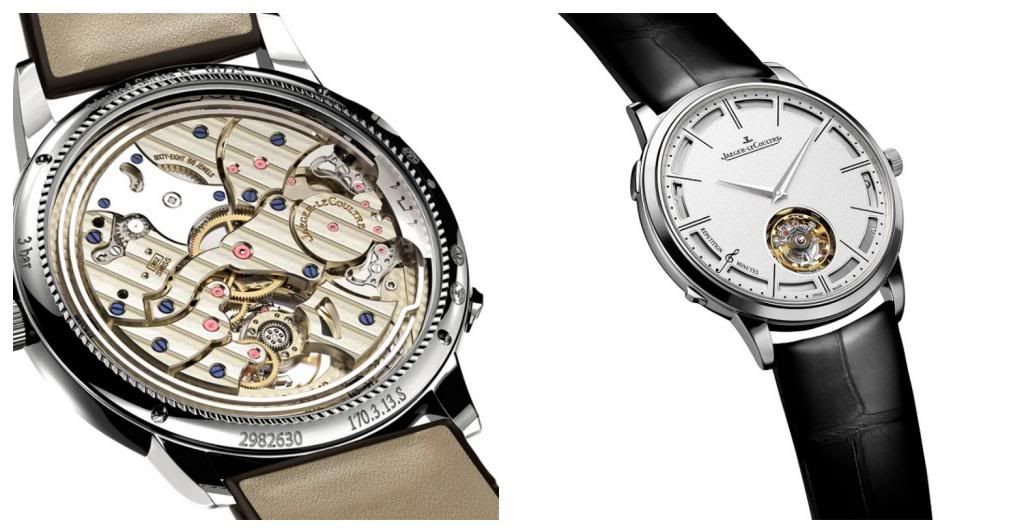
First let's look at Jaeger-LeCoultre. I posed the question that if all the minute repeater functions were taken out of the Hybris Mechanica 11, it could free up a fair bit of height. But is it enough to bring it down to under 5mm? What about using their ultra thin movement as a base? They could fit the flying balance and the flying tourbillon to their caliber 849 movement which may add a little more height to its already svelte 1.85mm (bring the total to, say, 2mm). And assuming they still only need 2.2mm to fit everything else in, we could possibly be looking at a total watch height of around say, 4.2mm?

Now let's look at Vacheron Constantin. Their thinnest manual wind movement is even thinner at 1.55mm in height. assuming the tourbillon will add the same sort of percentage in height, that would bring it to about, say, 1.7mm? And let's assume they can also fit everything else (glass, hands, dial, case back) within 2.2mm, that would give us a 3.9mm watch.

Or maybe Piaget can do what they did with the Altiplano, and simply add a tourbillon to it, and somehow manages to keep it at the same 3.8mm? I really cannot imagine a mechanical watch any thinner than this. There are still some laws of physics and thermodynamics to obey. How thin can you go??

The ball is well and truly in your court, Richemont siblings. Go nuts.

Wednesday, February 19, 2014

The Quest For Thinness Part 2: The Minute Repeater Strikes Back

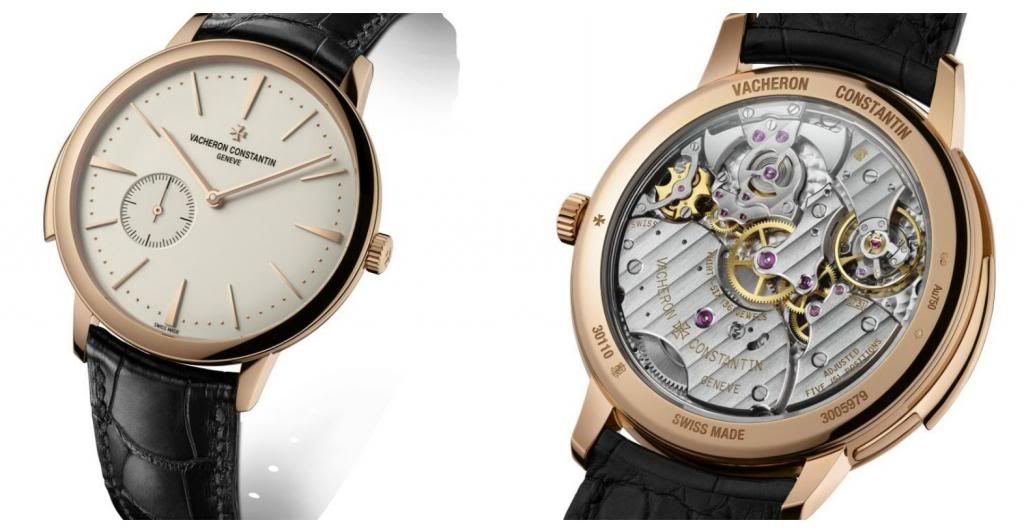
It is very entertaining observing the intra-company sibling rivalry that doesn't seem to stop. Round 2 involves the same 3 siblings of the Richemont group: Jaeger-LeCoultre, Piaget and Vacheron Constantin. Piaget as you might know wanted to hold the record for everything thinness category there is in the world of haute horlogerie. And they did have all the records (thinnest automatic, thinnest mechanical, thinnest minute repeater, etc) until Vacheron decided to spoil things by introducing the thinnest minute repeater watch late in 2013, pushing the total height down to a mere 8.09mm (compared to Piaget's 9.4mm in the Piaget Emperador Coussin XL, which was released in early 2013).


JLC, still reeling from having their thinnest mechanical watch record wrenched away by Piaget after such a short period decided that there is nothing like the sweet revenge of beating them at their own game (and dealing a double blow to Vacheron at the same time) and launched not only the world's thinnest minute repeater watch, but one with a flying tourbillon/flying balance AND a peripheral winding system to boot! Just as the thickness of the thinnest manual wind watch dropped quite significantly (in terms of percentages) the thickness of the ultra thin minute repeater watch dropped from 9.4mm to 7.9mm in just under 12 months. Sure is amazing what intra-group competition can do!


(Yes I realise that it takes far longer than mere months to plan/design/engineer/manufacture such amazing feats of craftsmanship and oneupsmanship but it makes for a much more entertaining read to pretend as if all this has just happened in real time)

I guess Vacheron can console themselves at still owning the record of the thinnest minute repeater movement (at 3.9mm thin) compared to JLC/Piaget's (at around 4.8mm each) but then again, the Vacheron movement is manual wound whereas both JLC and Piaget are both automatic movements.


The Vacheron and the Piaget are both quite traditional in their movement design, whereas JLC pushed the envelop just that little bit more in order to cram in extra complications (just like Piaget did away with a separate movement and case construction in their quest for ultimate thinness in a mechanical watch and combined the two to make the watch one integrated unit). Rather than having a slider to activate the minute repeater, JLC instead opted for a pusher, which stays flush with the case after activating the minute repeater, and a separate mini slider to release the pusher if you didn't catch the time the first time 'round.

JLC has also removed as much as possible around the tourbillon to make it first of all, reduce the amount of space it takes up and second, to offer a completely unobstructed view of the tourbillon. Again, people have expressed concern at the fragility of a flying tourbillon topped with a flying balance, but I guess JLC's done their homework and made sure something like this will still be sturdy enough for everyday wear.

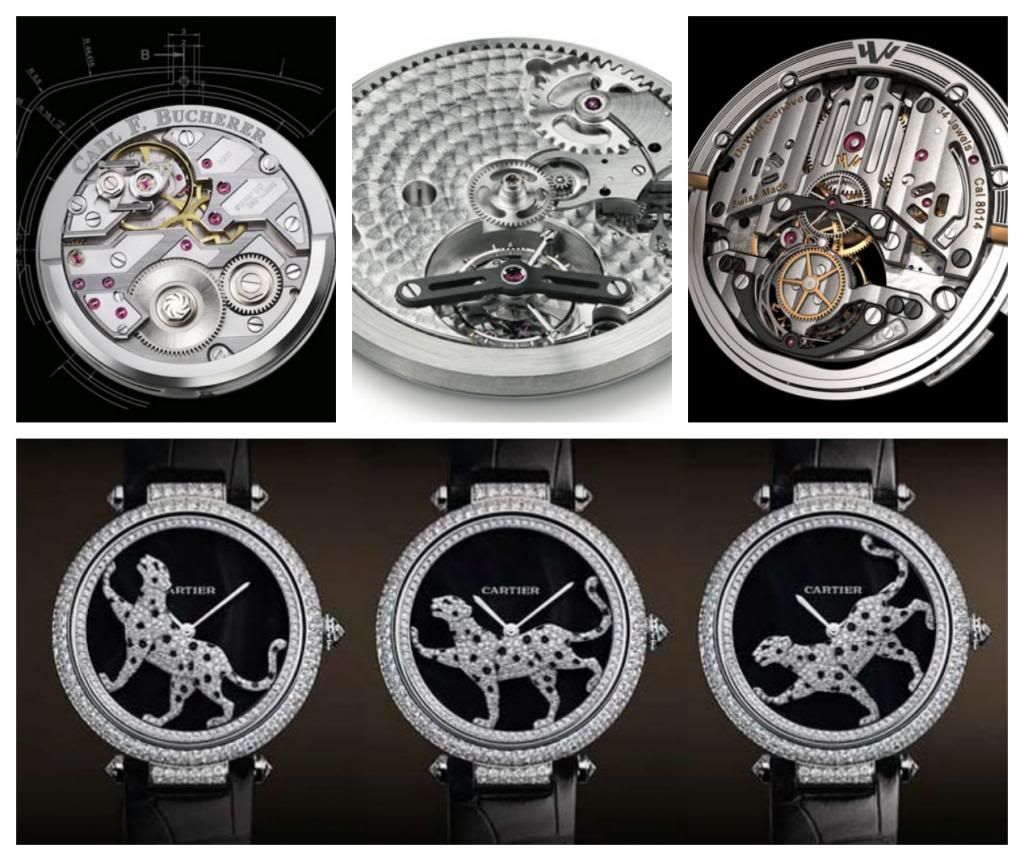
And finally, a peripheral winding system dispenses with a centrally mounted rotor (takes up too much space), instead a weight spins around the edge to wind the movement up. This idea is not new.  The first patents to this system where filed in 1955 by Paul Gostel and a decade later by Patek Philippe. The first brand to offer this system in a serial production was Carl F Bucherer back in 2008. Subsequently numerous brands also presented their version sof the peripheral winding system, with DeWitt in 2009 with their Calibre DW8014, followed by Audemars Piguet with their Calibre 2897 in 2011, then in 2012, by Cartier (of all brands) with their calibre 9603 MC, even though they've not announced it as such, instead focusing on the design attributes (a bejewelled panther spins above the dial, but is in fact the 'rotor' for the movement). And finally, in 2013 with Breguet's Calibre 581DR, which currently also holds the record of the thinnest automatic tourbillon movement (that's another one Piaget needs to get back...).

From Top Left: Carl F Bucherer, Audemars Piguet, DeWitt, Cartier. Breguet movement not shown because I couldn't find a brand PR shot.

Personally I like this strive for thinness. As Daniel Riedo, CEO of Jaeger-LeCoultre mentioned, that it is much easier to make a watch with a thick case, than it is to make it thin. It shows the capabilities of a manufacture, when they are able to make a watch as thin as possible, without all that dead space inside the watch. I salivate at the prospect of what could possibly come next! I wonder how much space the minute repeater takes up? If JLC got rid of it, could they challenge Breguet for the thinnest automatic tourbillon movement? Or does Vacheron and Piaget have something in the works already? Only time will tell and perhaps stay tuned for: The Quest For Thinness Part 3: The Whirlwind Timekeeper.

Thursday, December 12, 2013

The Quest For Thinness - Piaget Altiplano 38mm 900P Pre-SIHH 2014

There is a bit of sibling rivalry goin' on over at Richemont, and rivalry is good! We're talking about the battle to be the thinnest. And what a battle it's been!

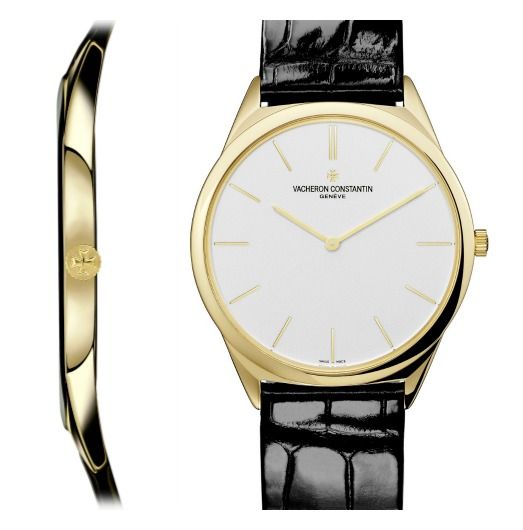
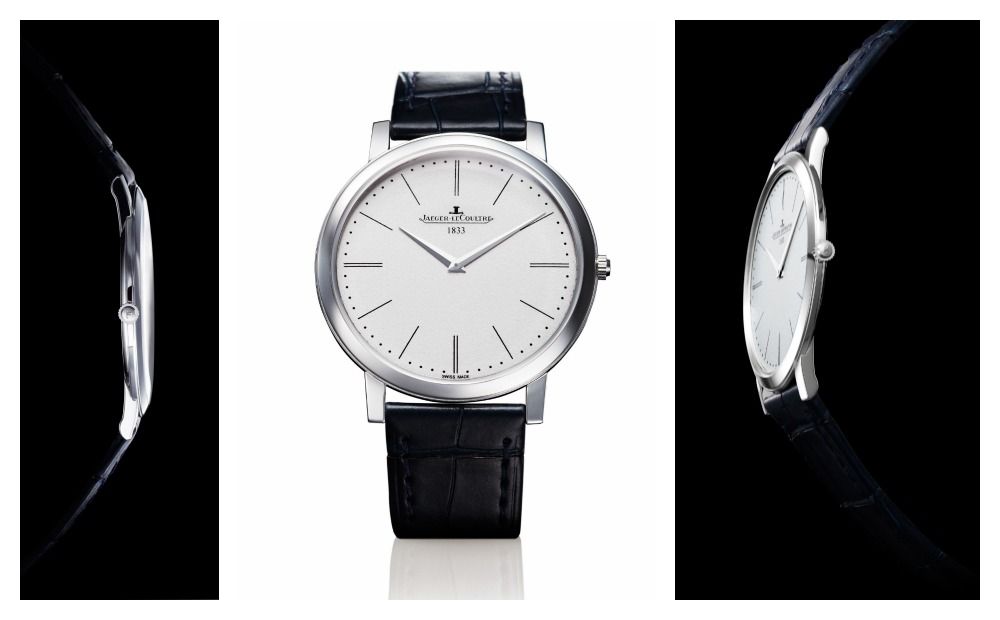
First up we had Vacheron Constantin, producing the Historique Ultra Fine 1955 back in 2010, the thinnest mechanical watch at the time, at 4.1mm. Then Jaeger-LeCoultre, being the Manufacture that they are, said, "Oh no you didn't" and released the Master Ultra Thin Jubilee at 4.05mm in 2013, as part of a collection to celebrate their 180th anniversary. Piaget was having none of it. Master of the ultra thin, holder of a dozen ultra-thin records, scoffs, and tells her sisters straight up, "You're doing it wrong! You can't do ultra-thin without thinking outside the 'case'! Step aside. THIS is how you do Ultra Thin."

Vacheron Constantin Historique Ultra Fine 1955
Jaeger-LeCoultre Master Ultra Thin Jubilee


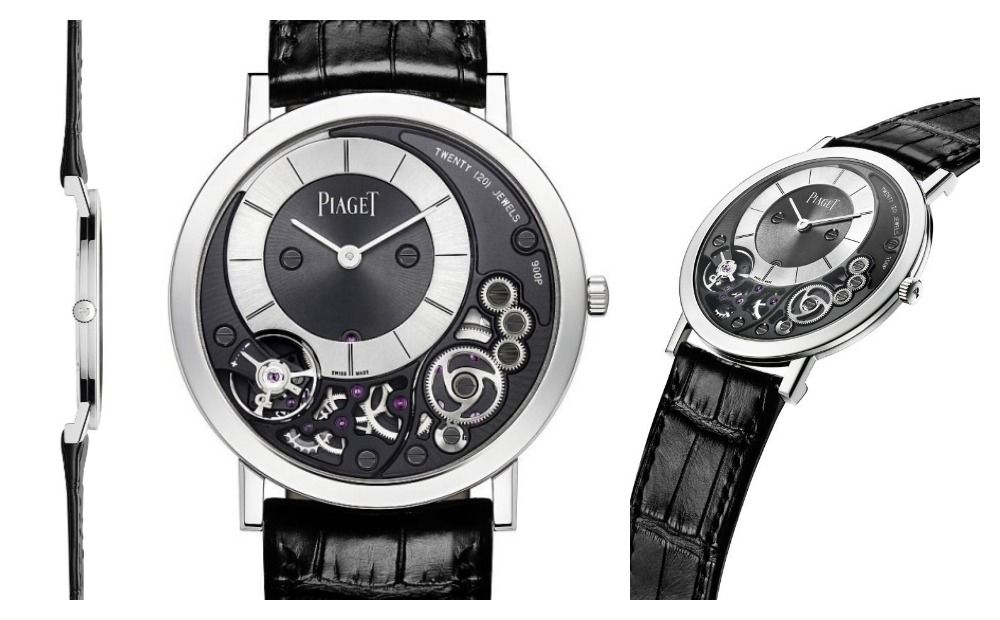
The Piaget Altiplano 38mm 900P

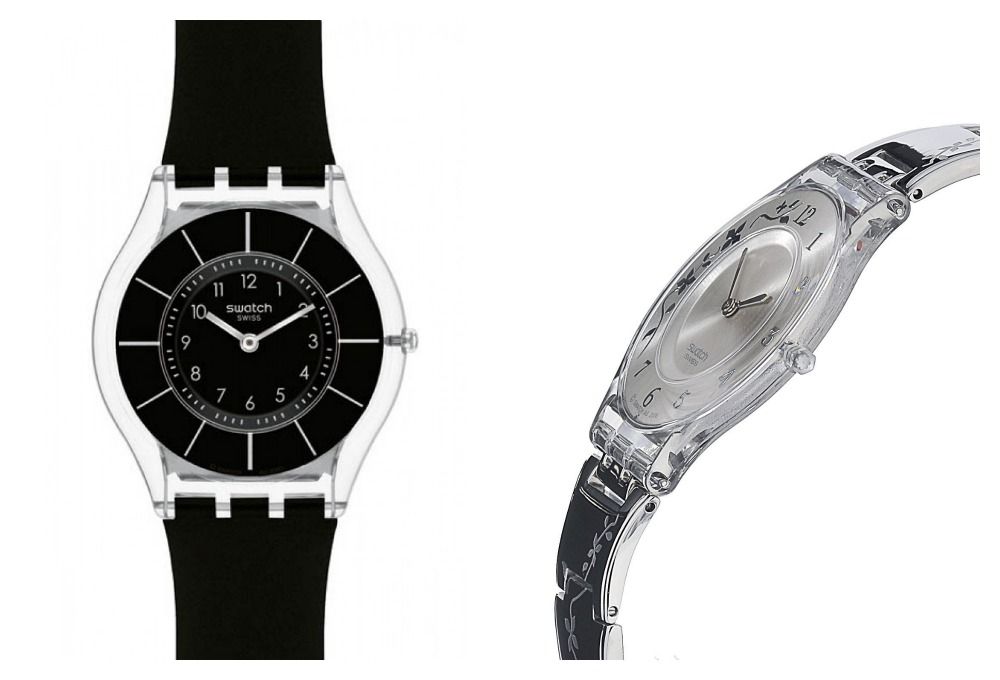
So, instead of going the traditional route of case-glass-hands-dial-movement-case, each adding precious tenths of millimetres to the height, Piaget revolutionised watchmaking by *ahem* taking a page out of Swatch's Skin design book and "combined" all these separate components into one amazing anorexic mash-up. Swatch did this with their "skin" range, which is essentially a one-piece construction. But it's all too easy making ultra-thin quartz watches isn't it? (Swatch's Skin watches measures 3.9mm thin for those of you playing at home)

Swatch Skin
So this is what Piaget ended up doing. The case back of the watch now acts as the base plate of the movement, and because of that, the way the movement is fit together had to be reversed, hence the balance and the gear trains on the dial side. They've also decided to forgo the dial, and instead, have the hands set directly into a slightly recessed part of the movement, meaning there is less clearance needed, and more tenths of millimetres saved. Not only that, any part that can be shaved is shaved. Wheels that are usually at 0.2mm thick is shaved down to 0.12mm. All this brings the whole watch down to a mere 3.65mm, completely decimating the competition like Sebastian Vettel in F1, and wrestling back what is rightfully Piaget's: the crown of the thinnest mechanical watch ever made. (I mean, come on! I have straps that are thicker than this watch...)

Piaget Altiplano 38mm 900P

Unlike the competition, Piaget didn't feel the need to emphasise thinness in the naming of the watch. I guess it's just expected that the watch will be ultra thin, which is what the whole range of the Altiplano watches are. In an era when skyscraper architects are adding taller useless decorative bits in order to boost the total height of the building, it is very refreshing to see designers shaving millimetres (and still having the whole thing actually working) in a quest for the ultimate thinness.

There is one concern however. Given how thin it is, and that the case back acts as the base plate of the movement, it remains to be seen how structurally sound the watch is, especially in white gold, and whether it'll be a fragile watch...

Long live sibling rivalry!

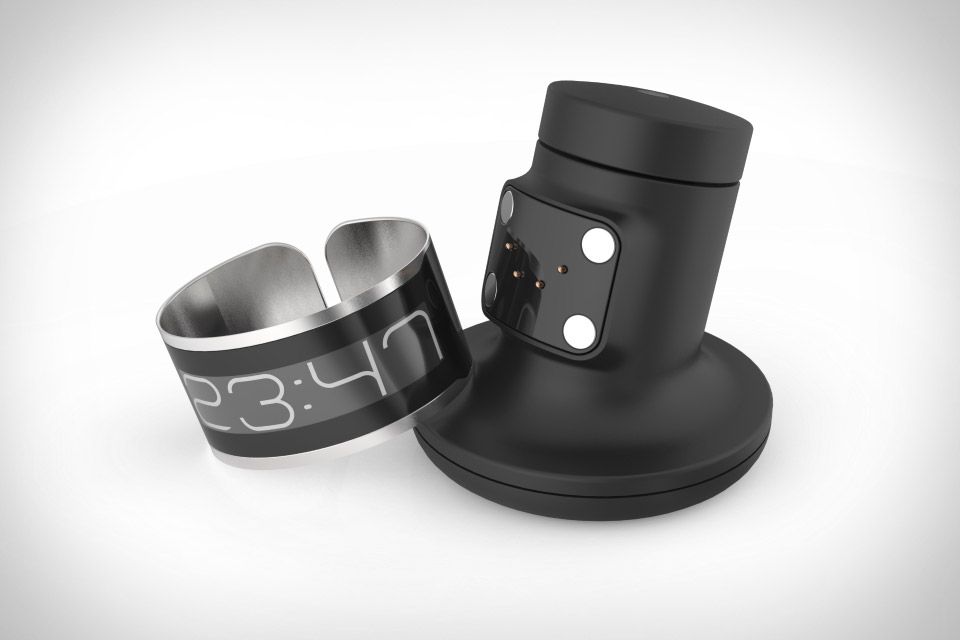
**Just in case you're wondering, the world's thinnest watch is the CST-01, a 0.80mm thin flexible wristwatch with an E Ink display housed in a single piece of stainless steel.

CST-01